
Understanding the Difference Between HEMA and HPMA: What You Need to Know
💅 Understanding the Difference Between HEMA and HPMA: What You Need to Know
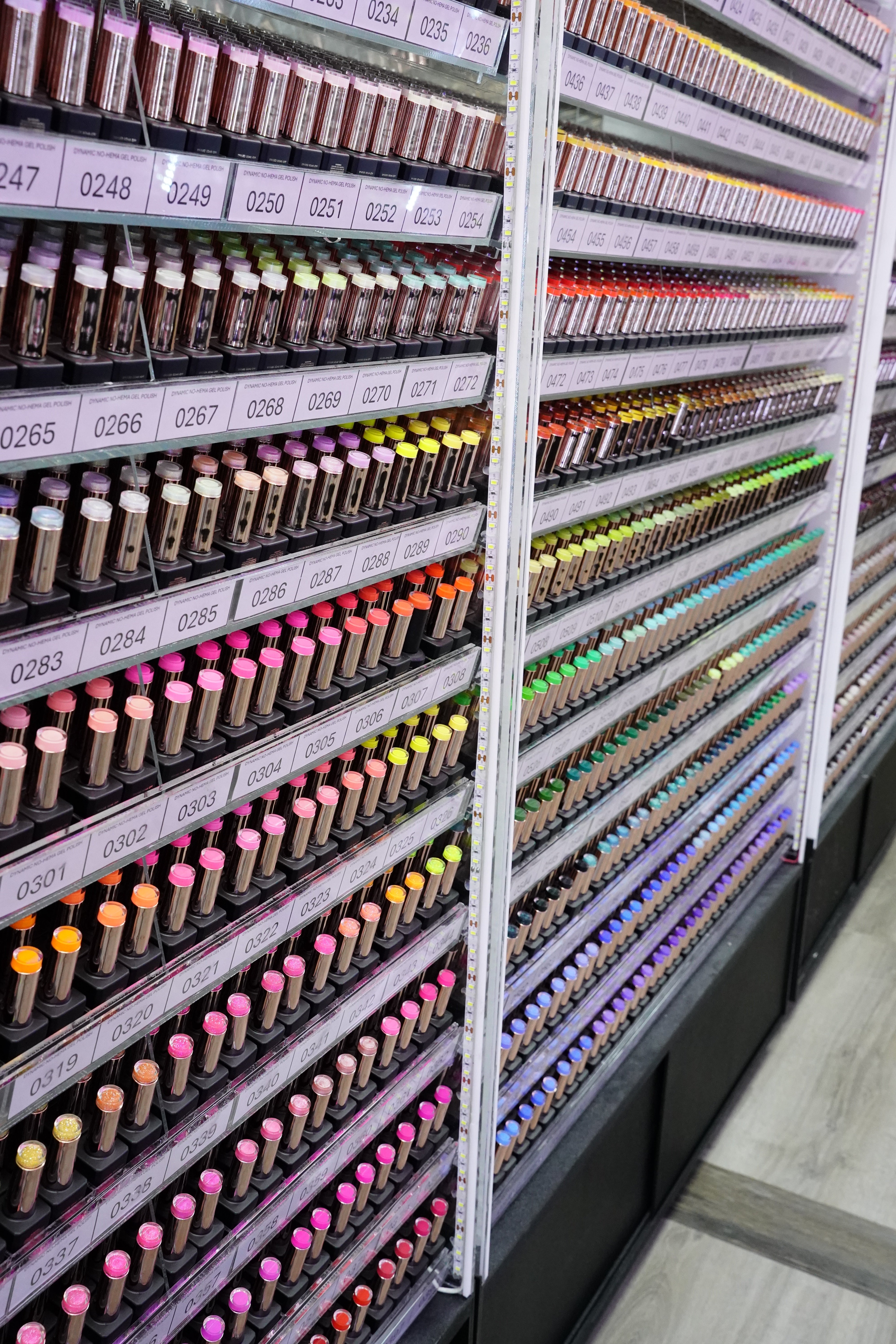
When it comes to gel polish and nail enhancement products, not all ingredients are created equal—especially for those with sensitive skin or allergies. At Dynamic Nail Supply, we care deeply about nail health and safety, which is why we’ve transitioned to HPMA-based formulas for our new HEMA-free Gel Polish Line.
Let’s break down the difference and why it matters.
🧪 What is HEMA?
HEMA (2-Hydroxyethyl Methacrylate) is a widely used monomer found in many gel polishes, acrylic systems, and adhesives. It’s known for:
-
Strong adhesion and flexibility
-
Durable wear
-
Compatibility with a variety of nail enhancement systems
However, HEMA is a known allergen. Even in low concentrations, it can penetrate the skin and cause:
-
Contact dermatitis
-
Itchy rashes
-
Swelling or blisters
-
Long-term sensitivity, especially with repeated exposure or improper curing
Studies show HEMA is one of the most common sensitizers in nail products, and once you're allergic, there's no going back—it’s a lifelong allergy.
📚 Read more on HEMA’s allergenic risks →
💧 What is HPMA?
HPMA (Hydroxypropyl Methacrylate) is a safer alternative to HEMA with similar performance:
-
Strong adhesion
-
Excellent durability
-
Better biocompatibility
-
Much lower risk of skin sensitization
HPMA features a hydroxypropyl group (vs. HEMA’s hydroxyethyl), which alters how it behaves with the skin. According to Gantrade, HPMA is non-immunogenic, biocompatible, and less likely to cause allergic reactions.
📚 Explore the science of HPMA →
🤔 Is Hydroxypropyl Methacrylate the Same as HEMA?
No. While both are methacrylate monomers, their chemical structure and allergenic potential are very different.
| Feature | HEMA | HPMA |
|---|---|---|
| Full Name | Hydroxyethyl Methacrylate | Hydroxypropyl Methacrylate |
| Allergen Risk | High | Low |
| Common Use | Traditional gels & acrylics | HEMA-free, sensitive-safe gels |
| Sensitization Risk | Lifelong allergy after exposure | Less likely to sensitize |
📚 See comparative analysis from Transparency Market Research →
🧴 Why Dynamic Nail Supply Chooses HPMA
We’ve listened to thousands of nail techs and customers who experience skin issues with traditional gel polishes. That’s why our new HEMA-free Gel Polish Line is formulated with HPMA—to ensure:
✅ Safer for sensitive skin
✅ Reduced risk of allergic reactions
✅ Salon-quality performance without the harm
✅ Peace of mind for pros and clients alike
✨ Experience nail art without compromise. ✨
😷 Why Am I Having an Allergic Reaction to Acrylic, Gel, or Gel Polish?
You might be allergic to HEMA or other methacrylates.
Some of the high-risk methacrylate chemicals that are known to cause allergic reactions in nail salon workers and clients include:
- Ethyl methacrylate (EMA)
- Methyl methacrylate (MMA)
- Hydroxyethyl methacrylate (HEMA)
- Hydroxypropyl methacrylate (HPMA)
- Triethylene glycol dimethacrylate (TEGDMA)
- Butyl methacrylate (BMA)
Signs of a reaction include:
-
Red, itchy fingers or cuticles
-
Blisters or peeling skin
-
Pain or swelling around the nails
-
Symptoms that appear after repeated product use
These reactions often result from skin contact with uncured product, low-quality formulas, or prolonged overexposure. Once sensitized, symptoms may recur even with minimal contact.
💡 Summary
-
HEMA is strong but highly allergenic
-
HPMA is a safer, more skin-friendly alternative
-
At Dynamic Nail Supply, we prioritize health without sacrificing performance
-
Our new HEMA-free gel polish line offers beautiful results with minimal risk
💖 Ready to Switch to Safer Nails?
Browse our No-HEMA Gel Collection — made for artists, loved by clients.
Visit www.dynamicnailsupply.com to shop now and experience the difference.
#HEMAFree #HPMA #GelPolishAllergy #DynamicNailSupply #HealthyNails #NailTechTips #NoMoreItch #SafeNailProducts
-
Posted in
Benefits of HEMA-Free Gel Polish, Health Implications of HEMA, HEMA, HEMA-free Gel Polish, HPMA, No-Hema Gel Polish
